Compare Fashion in 1900 and 1920 Fashion 1900
Back again…Long time, no seen, but I'm happy to be dorsum :))
Today's blog post concentrates on dress history.
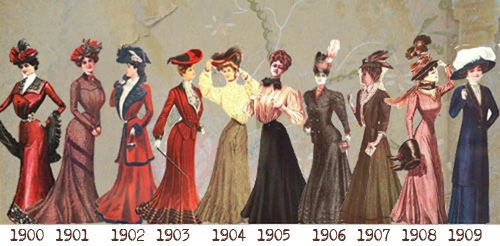

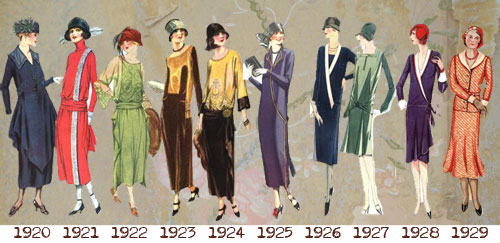
Nowadays we can see females wearing very short wearing apparel and skirts, perhaps sometimes revealing too much (no judgements). Simply little do we know that less than 100 years, the shortest dress that women could wore was only ankle length brim. Let's see when it all started to change and how.
Let's go dorsum to 1900s.
In 1900 skirts were still that long that they were brushing the floor (and with a train), including twenty-four hours dresses.
In 1900, the hourglass figure was in. The fashion houses in Paris presented a new silhouette with thicker waist, flatter bust and narrower hips. By the end of the decade, most fashionable skirts still brushed the floor, but approached the talocrural joint.
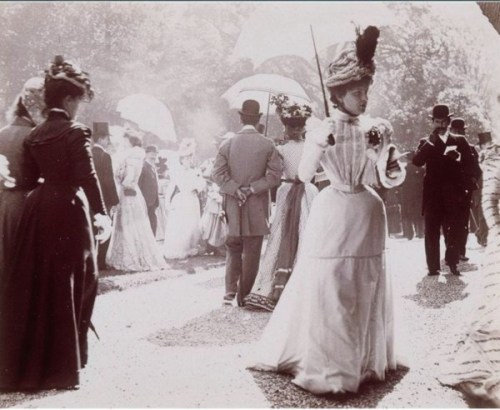 This is what our grand-1000-grandmas wore
In 1900s the cardinal trends were La Belle Époque and the Gibson Girl.
La Belle Époque fashion was favoured by the rich and privileged. Sumptuous fashions were made in luxurious fabrics. Women who were not role of the upper echelons of society, still, had to settle with less expensive clothing.
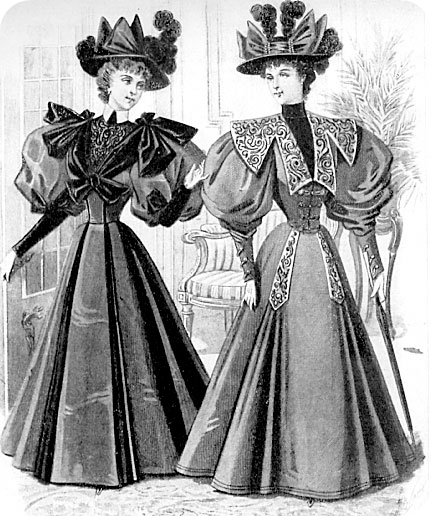 La Belle Époque
Gibson Girl look was viewed equally the ideal feminine form, featured a big bosom, tiny waist and rounded backside, all of which were achieved with the help of swan-bill corsets. It fit in with an almost ethereal idea of dazzler, where women had long, elegant necks; wore their pilus piled invitingly high on their heads and had a faraway, dreamy gaze.
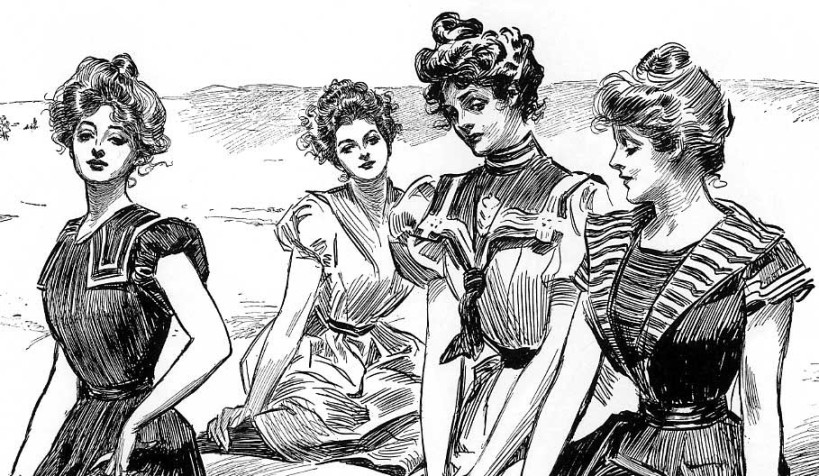 Gibson Girl
Other clothing:
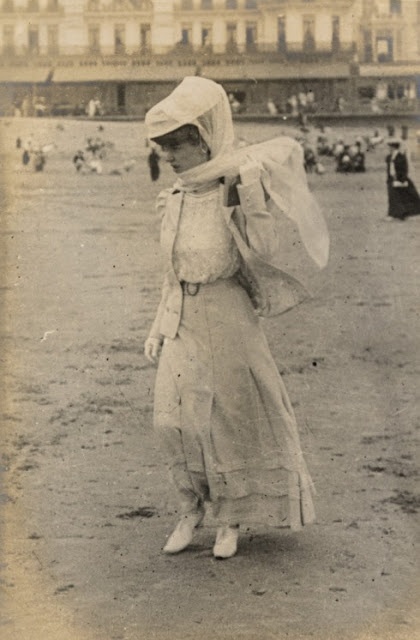 This is what you would wear in the beach, back in 1900.
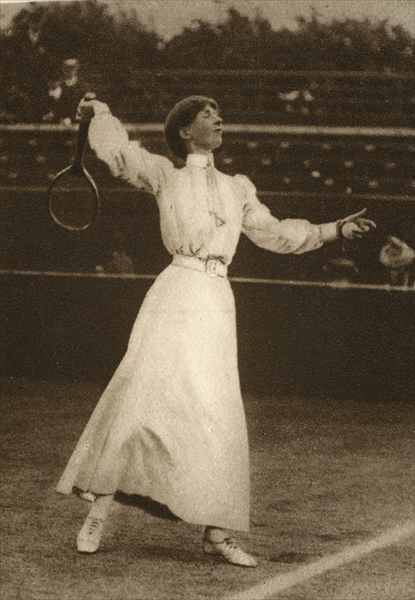 This is your tennis outfit.
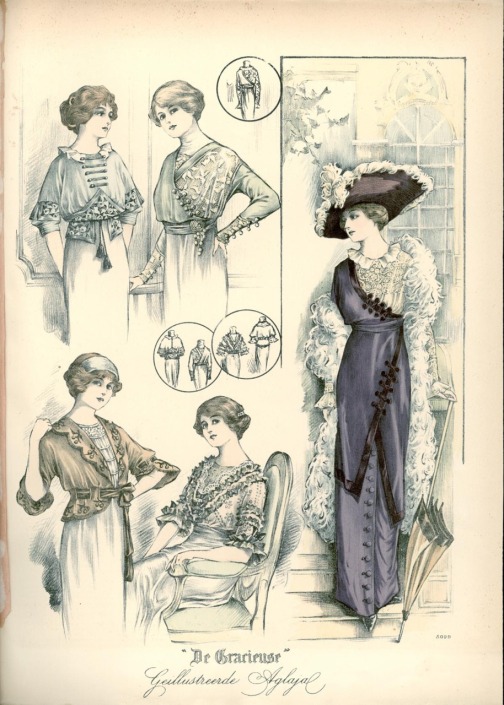
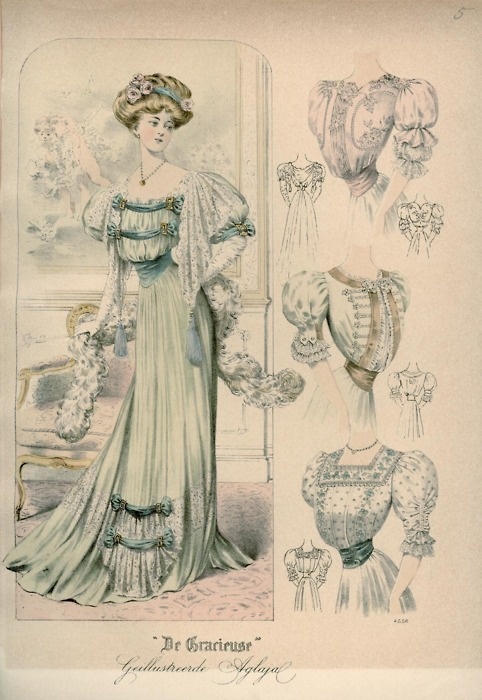 Evening dress and evening bodices, 1907, Netherlands
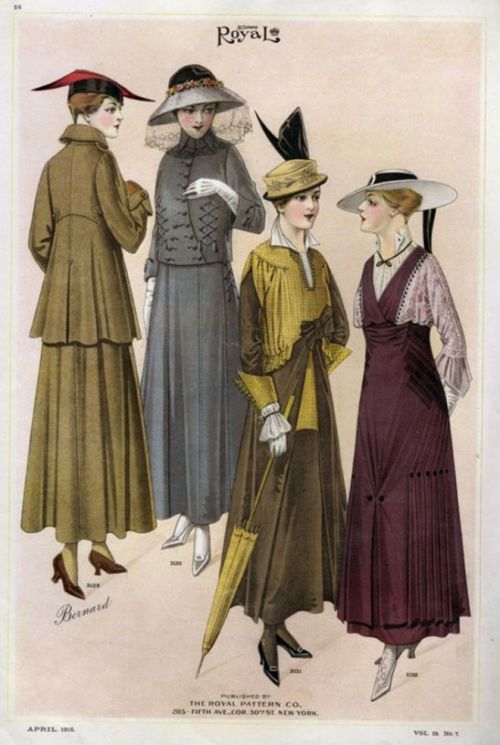
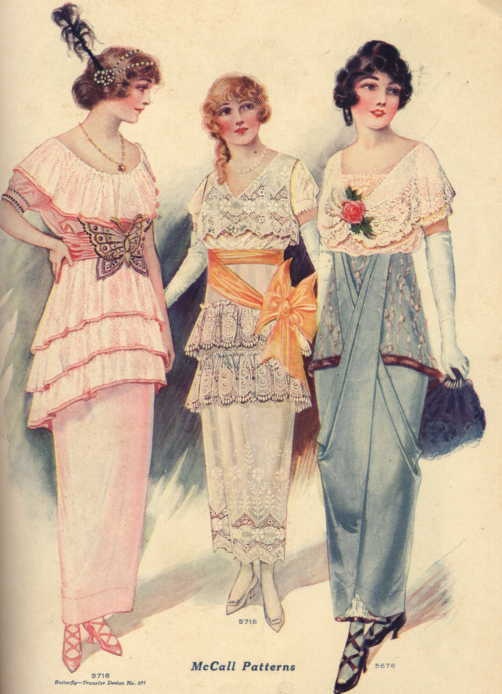
In 1910s, things got little more loose for women. The big thing about 10s was that this is the time when World War I took place (1914-1919), which made anybody depressed and therefor too more convenient. Plus, women had to first working and started to fight for suffrage. Therefor, impractical, fancy dresses replaced with more practical and comfortable dresses.
Pastel colours and frail, light, flimsy materials, inspired from imperialism, were most desired.
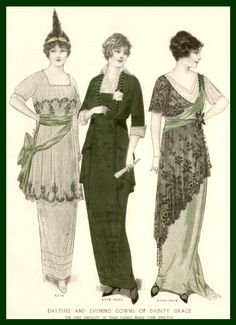
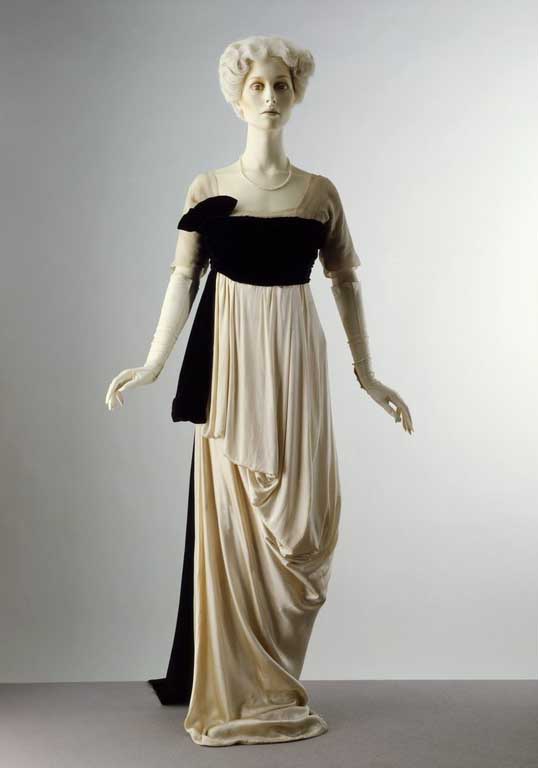 Evening gown, designed by Lucile, 1912
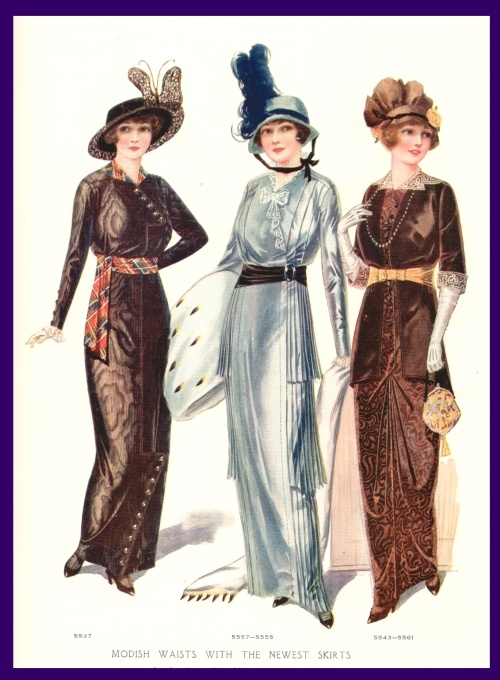
The well-nigh popular trends were orientalism, hobble skirts and solar day suits.
In 1913, style slaves fell in dear with orientalism. Orientalism was influenced past the vivid colours of the Far East, women's dresses no longer featured the high waistbands of before times. The tight, binding corsets were abandoned and women started to article of clothing less constrictive corsets.
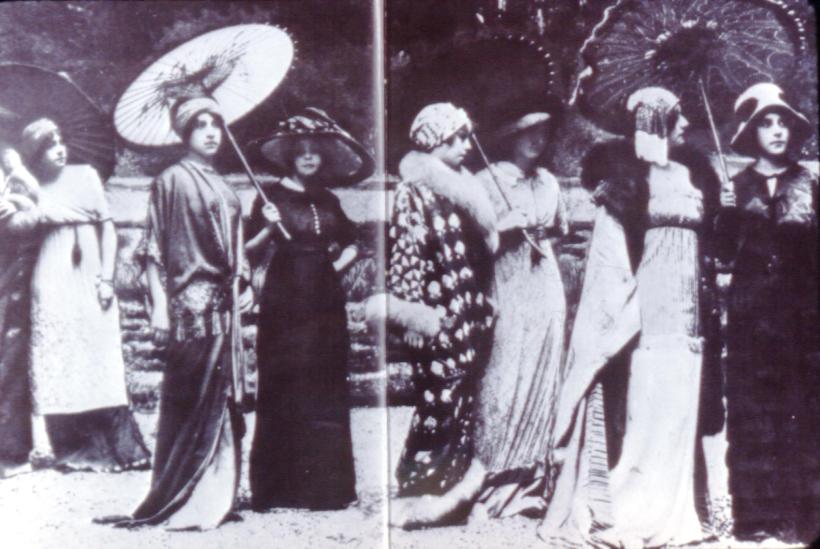 Orientalism
Hobble skirts were impractical garments that fit so tightly effectually the lower part of women'due south legs that wearers had to hobble to get effectually. Waistlines were high (empire manner), and skirts were broad around the hips, tapering in at the ankle. This hard-to-wear fashion was short-lived, as women were looking for clothing that was easier to wear.
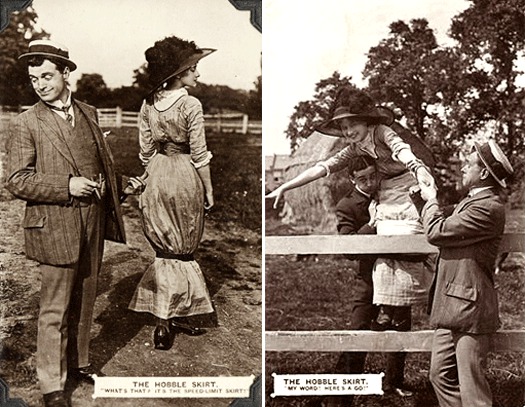 Hobble skirts, that made walking impossible.
Day suits: Long skirts, loose, belted jackets and fur trim often divers day suits (also referred to as walking suits) for women in the latter part of this decade. This style was practical as women joined the workforce while men were fighting during World War I.
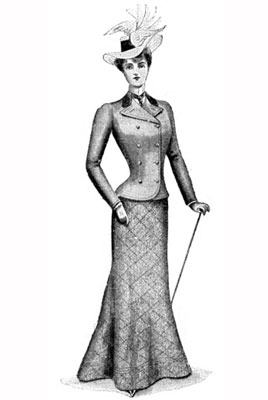 Day accommodate
Other examples:
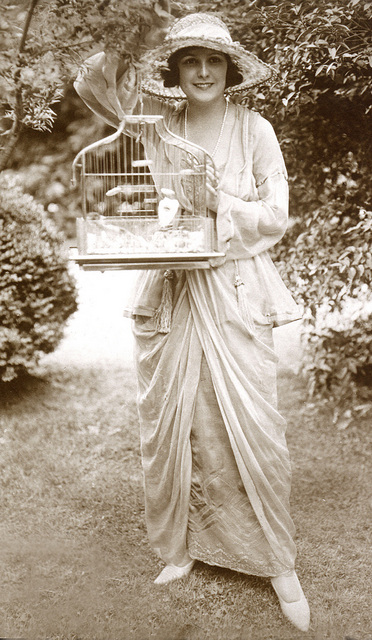 Ane of the well-nigh influential fashion designer in 1910s – Lucy, Lady Duff-Gordon
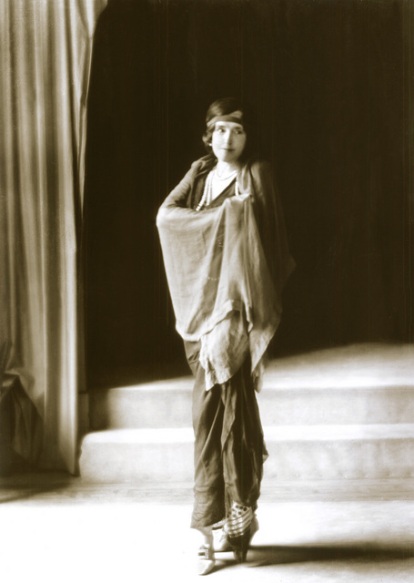
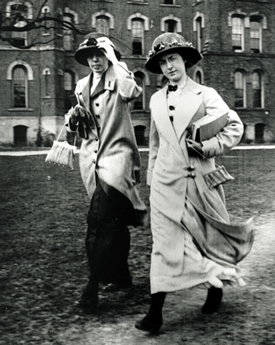
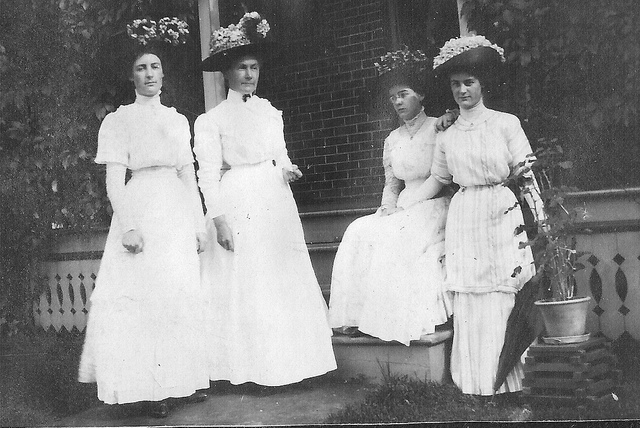
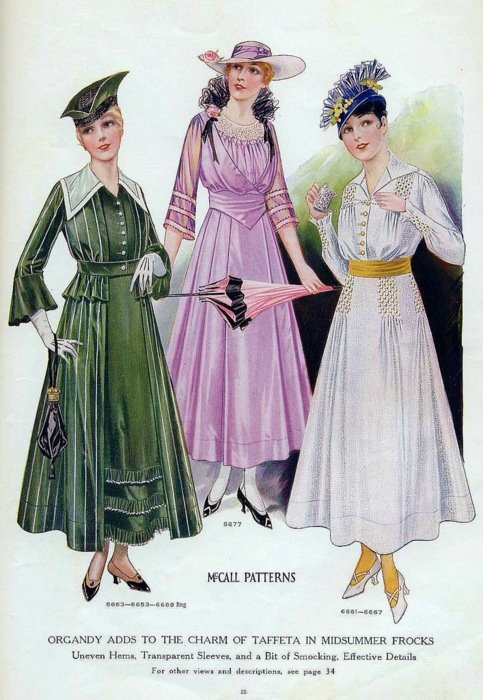
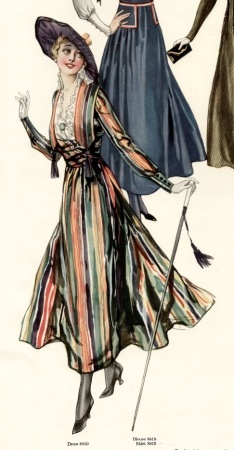
1920s – The Great Gatsby times
The Great Gatsby times – who doesn't love them… This is the time when everything started to modify. In 1920s women replaced strict and long skirts with more comfortable shorter dresses and even trousers. After World War I, in that location was revolution in almost every sphere of act social customs and morals were more relaxed. Women earned the right to vote and entered the workforce, therefor their wearable became more relaxed, practical and masculine. In 1920s, corsets were and so last year and lost their place in the women closets.
Although lodge matrons of a certain age continued to article of clothing conservative dresses, the sportswear became pop among forwards-looking and younger women. The nearly memorable manner trend of the "Roaring '20s" was undoubtedly "the flapper" expect. The flapper dress was functional and flattened the bust line rather than accentuating information technology. Drop-waist dresses, elaborately beaded and fringed embellishments and sparkly headbands were the defining traits of the flapper girl. This was in reaction to the exuberance of the years after the Great War, and hemlines rose to allow for the wild Charleston dancing that and then many flapper girls engaged in.
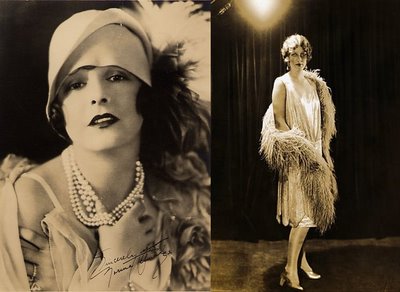 Flapper girl look
Coco Chanel became the fashion icon, being one of the get-go women to article of clothing trousers, cut her hair and reject the corset, which many women followed. Nautical stripes, trousers, and chunky knit sweaters became hallmarks of Chanel'southward adolescent style.
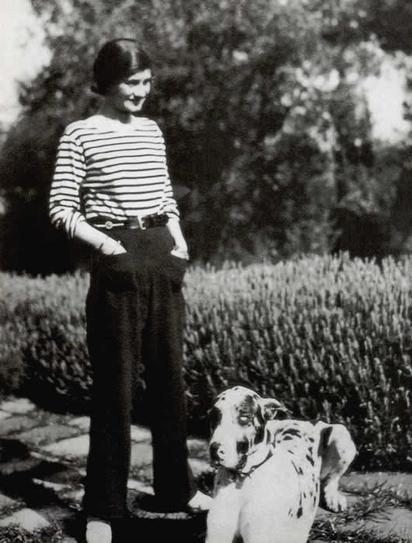 Coco Chanel
High heels became popular during this fourth dimension period, reaching two to three inches in meridian (which was quite high for the time).
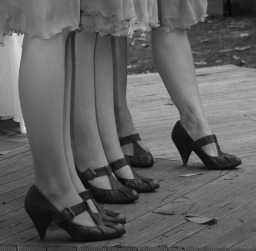
For the first time in centuries, women'due south legs were seen with hemlines rising to the knee and dresses becoming more fitted. Tin can you believe that information technology has been just ninety years, since women started to bear witness her legs.
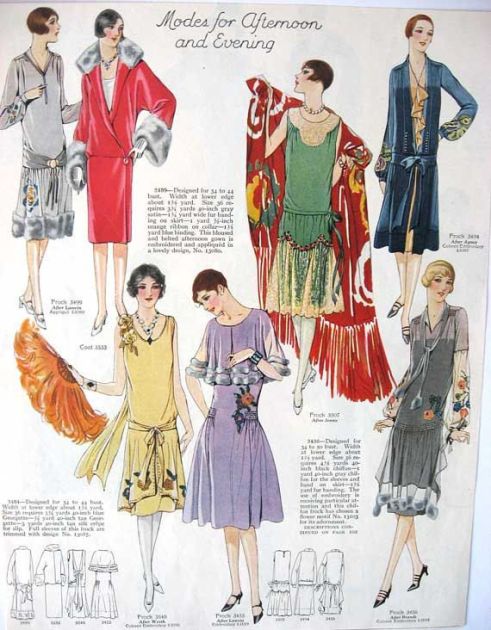
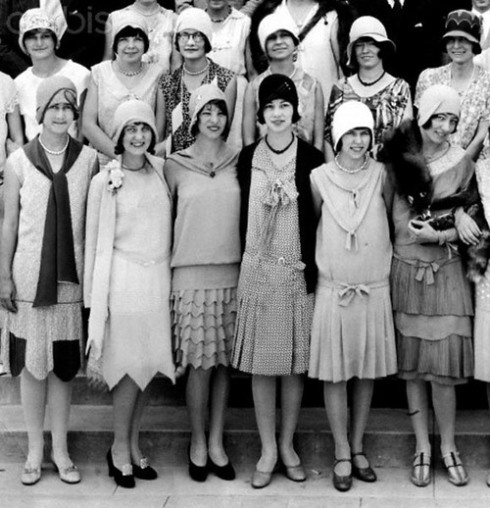
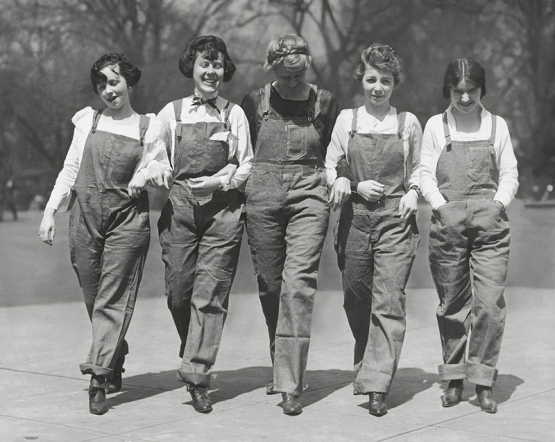
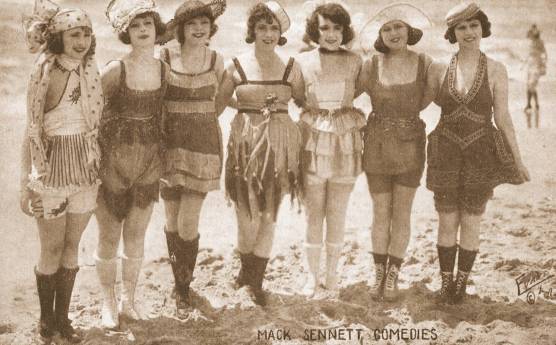
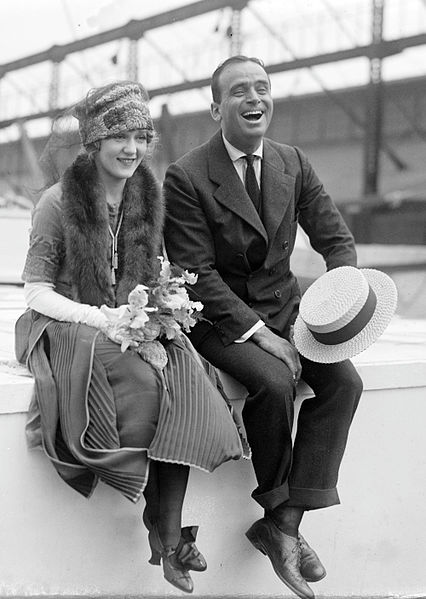
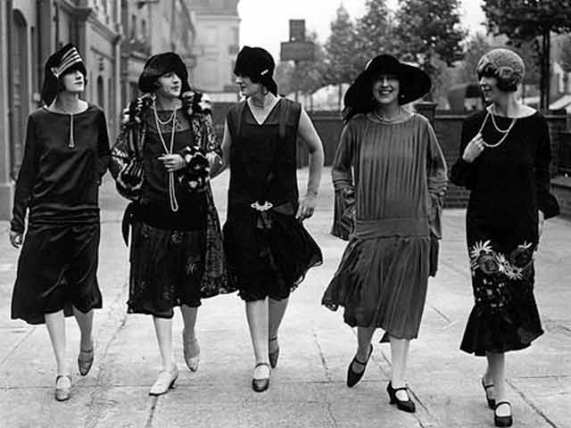
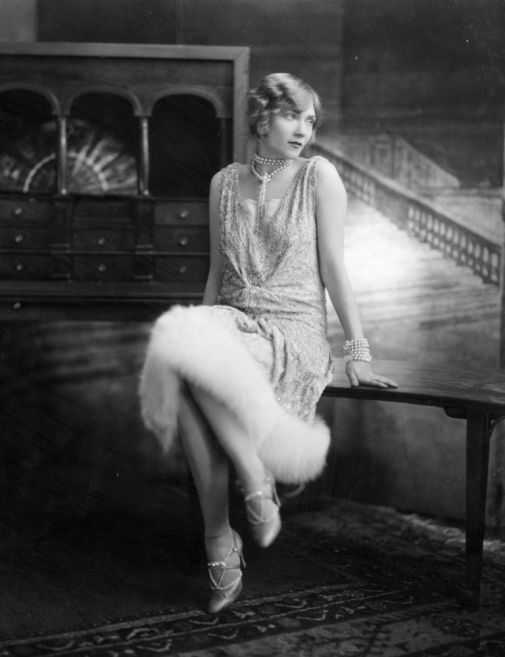
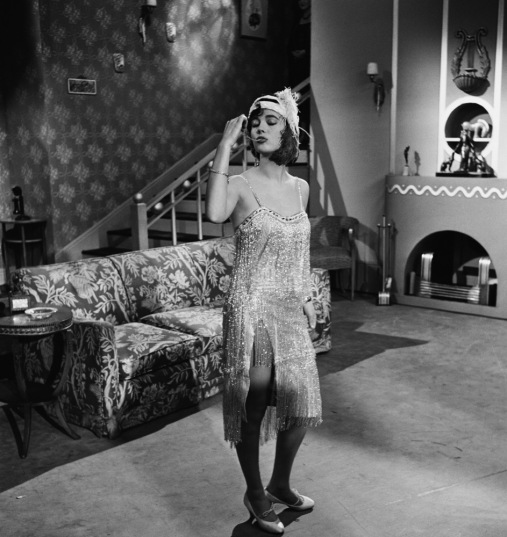
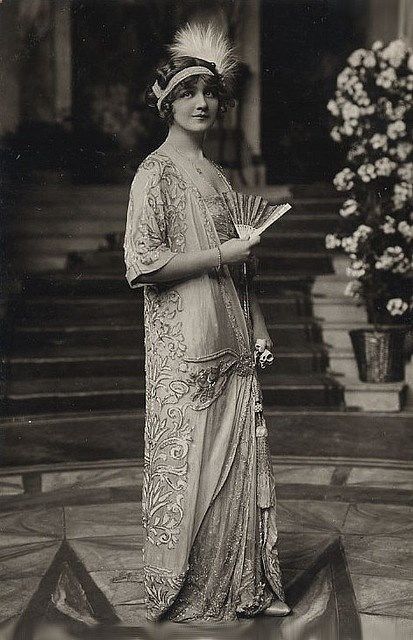
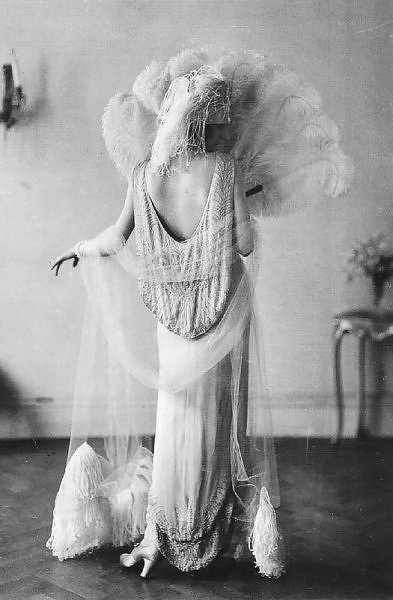
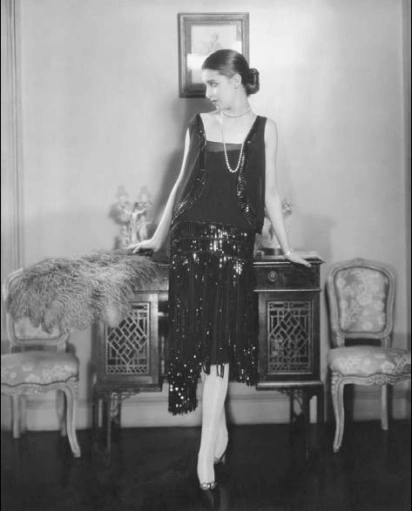
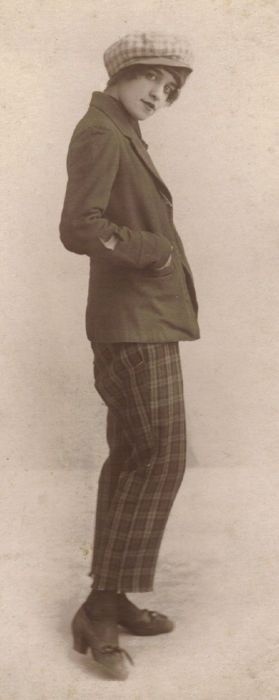
So keep in listen, 20s is the time, when women started to wearable knee length dresses and trousers. This is the fourth dimension when wear revolution started.
0 Response to "Compare Fashion in 1900 and 1920 Fashion 1900"
Post a Comment